


🏆 RATED #1 BEST SELLER OF 2025
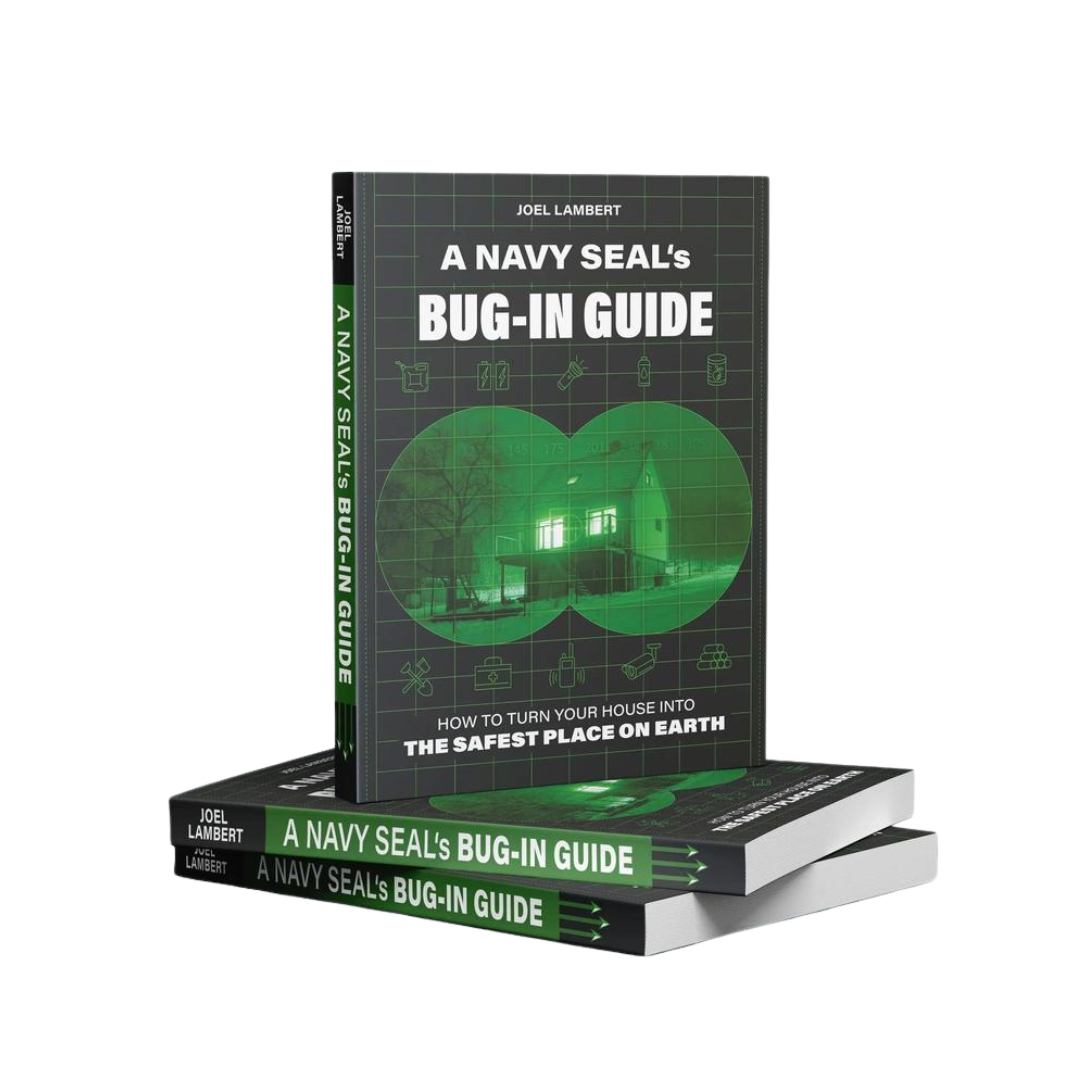
A Navy Seal's Bug-In Guide
A Navy Seal's Bug-In Guide
12k+ bought in past month
📘 Practical Self-Reliance Knowledge
⚙️ Build Independent Home Systems
🌿 Long-Term Resilience & Sustainability
Couldn't load pickup availability

A Navy Seal's Bug-In Guide
-

I feel so much more confident knowing I can actually take care of my family if something happens.
-

The step-by-step projects make everything feel doable. Super easy to understand everything.
-

This gave me peace of mind. Instead of worrying, I now have real plans and skills I can rely on.”


Is this book actually practical, or just theory?

Is this book actually practical, or just theory?
This is a hands-on, project-based guide. Every section includes step-by-step instructions, material lists, and clear visuals so you can build and apply each system yourself. It is designed for real-world use, even if you have no prior experience.
Do I need prior survival or DIY experience to use this?
Do I need prior survival or DIY experience to use this?
No. The book is structured for complete beginners as well as more experienced readers.
It breaks complex systems like water collection, food production, and off-grid power into simple, actionable steps that anyone can follow.
Shipping & Returns
Shipping & Returns
Enjoy fast & free shipping on all orders. Need extra peace of mind? Upgrade to secured shipping at checkout for added protection.
Every order ships next business day.
30-Day Guarantee
30-Day Guarantee
Not satisfied? No worries, we’ve got your back. Return your order within 30 days for a full refund, no questions asked.
Real Solutions For Every Scenario
See exactly what’s inside — real pages, real projects you can start today.
Real Results From Real Men.
98%
Felt more confident handling emergencies after reading
91%
Said the step-by-step projects were easy to follow and apply
88%
Started at least one off-grid project within the first week
**The data shown reflects results from 16,000+ orders over the past 30 days.**
What Men LIKE YOU are saying!
Rated 4.84 / 5.00 over 16,000 customers
-

“Exactly What I Needed!”
The tips are easy to follow, even if you’re new to this. I loved the food storage and gardening sections.
-

“Worth Every Dollar.”
This isn’t just information, it’s real skills. I’ve already started building my own off-grid systems.
-

“Gave Me Peace of Mind.”
The book goes over so many things. Everything is explained clearly and step-by-step.


CUSTOMER SUPPORT
SECURE CHECKOUT
FAST SHIPPING
CUSTOMER SUPPORT
SECURE CHECKOUT
FAST SHIPPING
CUSTOMER SUPPORT
SECURE CHECKOUT
FAST SHIPPING
CUSTOMER SUPPORT
SECURE CHECKOUT
FAST SHIPPING
CUSTOMER SUPPORT
SECURE CHECKOUT
FAST SHIPPING
CUSTOMER SUPPORT
SECURE CHECKOUT
FAST SHIPPING
CUSTOMER SUPPORT
SECURE CHECKOUT
FAST SHIPPING
CUSTOMER SUPPORT
SECURE CHECKOUT
FAST SHIPPING
CUSTOMER SUPPORT
SECURE CHECKOUT
FAST SHIPPING
CUSTOMER SUPPORT
SECURE CHECKOUT
FAST SHIPPING
CUSTOMER SUPPORT
SECURE CHECKOUT
FAST SHIPPING
CUSTOMER SUPPORT
SECURE CHECKOUT
FAST SHIPPING
Superior in Every Way, here's how;

|
Others | |
|---|---|---|
| Real, actionable projects | ||
| Step-by-step instructions | ||
| Covers water, power, food & survival systems | ||
| Built for real-world emergencies | ||
| Teaches true self-sufficiency |
You've got Questions?
We've got Answers!
What is The Amish Ways about?
What is The Amish Ways about?
The Amish Ways is a practical survival and self-sufficiency guide based on traditional Amish-style skills. It covers topics like growing food, preserving supplies, off-grid living, basic homesteading, and preparing for situations where modern systems may not be reliable.
Do I need to live on a farm to use this book?
Do I need to live on a farm to use this book?
No. You do not need to live on a farm. Many of the ideas can be adapted for backyards, small spaces, sheds, gardens, or even beginner homesteading setups. It is made for regular people who want to become more prepared with what they already have.
Is this only for people who are already into prepping?
Is this only for people who are already into prepping?
No. It is beginner-friendly. The book is useful for people who are completely new to preparedness, gardening, food storage, or off-grid skills. It explains ideas in a practical way without making it feel too technical.
Is the book easy to understand?
Is the book easy to understand?
Yes. The book is designed to be simple and practical. It includes step-by-step guidance, clear explanations, pictures, and diagrams so the projects are easier to follow.
What kind of skills will I learn?
What kind of skills will I learn?
You will learn about food growing, food preservation, water preparedness, off-grid cooling, basic homesteading, livestock care, and traditional Amish-style survival methods. The focus is on practical skills that can help you become less dependent on supermarkets, electricity, and modern conveniences.
Does this book include gardening advice?
Does this book include gardening advice?
Yes. Gardening is one of the main sections. It covers ideas like companion planting, raised beds, and greenhouse-style growing methods that can help you produce food at home.
Does it teach food storage and preservation?
Does it teach food storage and preservation?
Yes. It includes canning and preservation methods to help you store food for longer periods. This is useful for emergency preparation, food shortages, or simply reducing waste at home.
Will this help during blackouts or emergencies?
Will this help during blackouts or emergencies?
Yes. The book is made for emergency preparedness. It includes off-grid ideas and practical projects that can help during power outages, economic uncertainty, supply shortages, or other major disruptions.
Can beginners actually do the projects?
Can beginners actually do the projects?
Yes. The projects are made to be doable. You do not need to be a builder, farmer, or survival expert. The book is built around simple steps that most people can start learning from.
Do I need expensive tools or equipment?
Do I need expensive tools or equipment?
No. Most ideas are based on simple, traditional methods. Some projects may require basic materials or tools, but the overall goal is to make self-sufficiency more accessible, not expensive.